 English
 Español
 Português
 русский
 Français
 日本語
日本語 Deutsch
 tiếng Việt
 Italiano
 Nederlands
 ภาษาไทย
 Polski
 한국어
한국어 Svenska
 magyar
 Malay
Malay বাংলা ভাষার
 Dansk
Dansk Suomi
Suomi हिन्दी
2.8-inch LCD Screen Resolution Upgrade: 480*640 is a major advancement in hardware design
The typical resolution of a 2.8-inch LCD screen is 240*320 or 240*400. Because its size is larger than a 2.4-inch LCD screen, but the resolution is the same, the larger area results in less detailed display, which is why many hardware engineers don't like using it. Shenzhen Hongjia Technology engineers recommend a 2.8-inch TFT screen with IPS full viewing angle and a resolution of 480*640, offering high-definition and fine detail, compensating for the low resolution of typical 2.8-inch screens. This article will also introduce the advantages of this display and the significant changes it brings.
Below, I will analyze the technical significance and application scenarios of this upgrade:
1. Changes brought about by the resolution upgrade
Pixel count: 480 × 640 = 307,200 pixels, which is 4 times higher than the common 320x240 (76,800 pixels).
PPI (Pixels Per Inch): On a 2.8-inch diagonal screen, with a resolution of 480×640, the number of pixels along the diagonal is approximately 800 (√(480²+640²) ≈ 800), so the PPI is approximately 800 ÷ 2.8 ≈ 285 PPI, reaching a "retina" level (where individual pixels are difficult to distinguish with the naked eye at normal viewing distance).
In contrast, 320×240 on a 2.8-inch screen only has about 143 PPI, a significant difference.

2. Visual experience
Text display is sharper, without jagged edges.
Images and icons have richer detail, suitable for displaying complex graphical interfaces (such as advanced dashboards, maps, and detailed icons).
In industrial, medical, and portable devices, this improvement can significantly enhance user experience and readability.
3. Hardware requirements
The 2.8-inch LCD screen with 480*640 resolution uses the mature ST7701S driver IC, supporting RGB and MIPI interfaces.
A four-fold increase in resolution means that the display memory/frame buffer memory needs to be increased accordingly. The driver IC needs to support higher data transfer rates (higher pixel clock).
If using an MCU screen (with built-in memory and parallel interface driver), a higher-performance MCU or dedicated driver chip may be required.
Power consumption may increase slightly (due to more pixel refreshes), but modern LCD technology and driver optimization can control this.
4. Application Scenarios
Previously, 2.8-inch 320×240 displays were commonly used in simple embedded devices (such as small instruments and older handheld terminals), while 2.8-inch 480×640 screens may be used in:
High-end industrial handheld terminals (barcode scanners, POS machines)
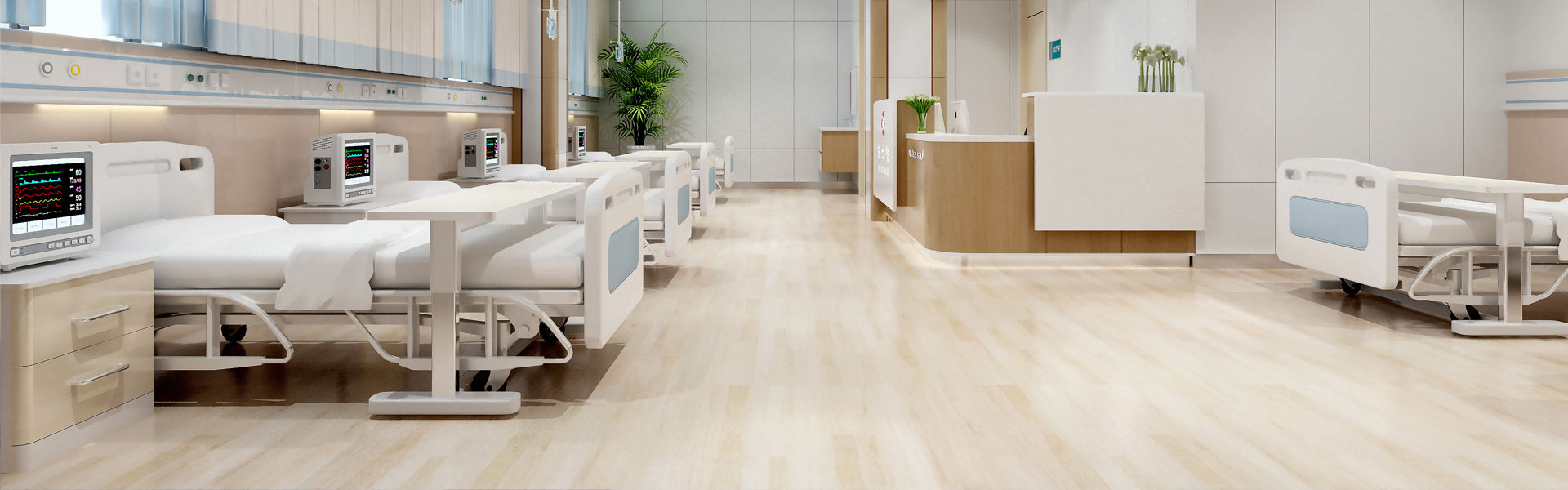
Medical devices (portable monitors, diagnostic equipment)
High-precision instrument displays
Portable consumer electronics (such as high-resolution portable players, professional remote controls)
Wearable devices or mini display modules (when a detailed graphical interface is needed)
Shenzhen Hongjia Technology has been keeping pace with technological advancements and has successfully mass-produced many high-resolution, high-brightness LCD screens, meeting the demands of many customers for high-definition and detailed displays. With the progress of micro-display technology and driver ICs, the cost of small-sized, high-resolution screens is gradually decreasing, prompting the upgrade of devices with previously medium-to-low resolution to high-definition. This upgrade is particularly natural for products that need to display more information or pursue a better visual experience. Our company has over 200 models of high-definition screens in various sizes and resolutions. We welcome inquiries from customers via email.
Send Inquiry


X
We use cookies to offer you a better browsing experience, analyze site traffic and personalize content. By using this site, you agree to our use of cookies.
Privacy Policy