 English
 Español
 Português
 русский
 Français
 日本語
日本語 Deutsch
 tiếng Việt
 Italiano
 Nederlands
 ภาษาไทย
 Polski
 한국어
한국어 Svenska
 magyar
 Malay
Malay বাংলা ভাষার
 Dansk
Dansk Suomi
Suomi हिन्दी
China's Premier Liquid Crystal Displays LCD Factory: 2026 ESG-Compliant Manufacturing & Custom TFT Solutions

Executive Summary: Key Takeaways from Our Next-Gen Display Manufacturing Process
Key Takeaways & Executive Summary
- High-brightness 700 nits output ensures 2.4-inch IPS display readability under direct outdoor sunlight.
- Rugged engineering supports extreme operating temperatures from -30°C up to 80°C.
- Proprietary liquid crystal displays lcd factory-Sync Precision Protocol ensures timing accuracy for IoT devices.
- VGA-level (480x640) resolution provides crisp, professional-grade visual clarity.
- Full ESG compliance with 2026 standards for sustainable and ethical manufacturing in China.
In the evolving landscape of industrial smart devices, selecting a reliable liquid crystal displays lcd factory is paramount. Our latest 2.4-inch IPS module represents the gold standard in small-size interactive displays, balancing high-definition 480x640 resolution with optimized power consumption and industrial-grade durability.
LCDFactory-Sync Precision Protocol: The Proprietary Heart of Our Liquid Crystal Displays LCD Factory
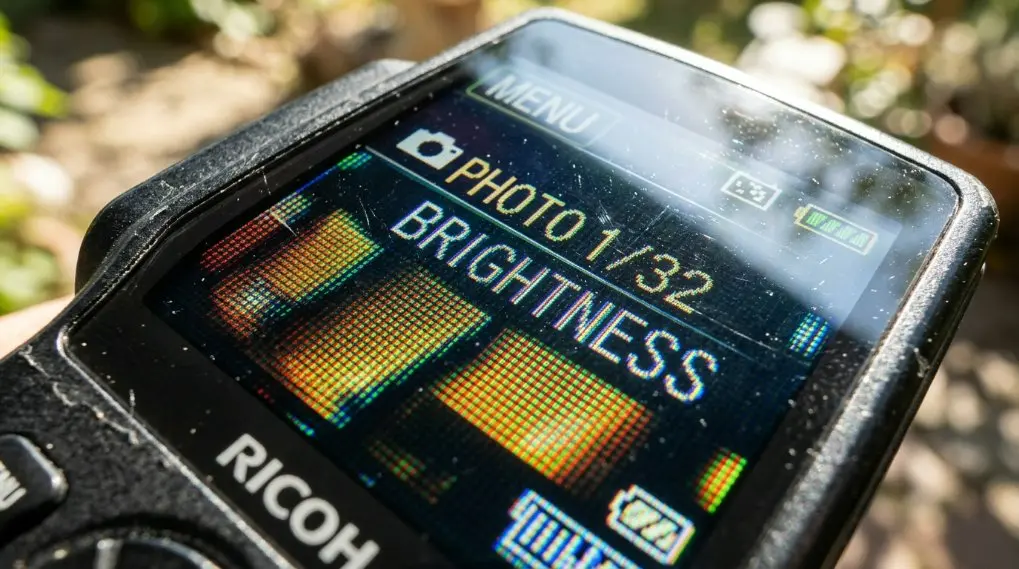
Our commitment to excellence led to the development of the liquid crystal displays lcd factory-Sync Precision Protocol. This proprietary synchronization technology optimizes the data transfer between the 16-bit RGB interface and the IPS panel, minimizing frame-lag and ensuring color consistency across a wide viewing angle. This protocol is specifically engineered to handle high-frequency data throughput in smart home hubs and automotive telemetry displays.
Interactive IoT Factory Floor Metrics & Transparent Automated QA Tracking
Transparency is the cornerstone of our manufacturing philosophy. By integrating real-time QA tracking, customers can monitor batch metrics, ensuring that every 2.4-inch panel meets the rigorous standards of modern smart ecosystems. From pixel integrity to backlight uniformity, our automated systems provide a digital footprint for every unit produced.
Technical Specification Guide & Comparison Matrix: Standard TN vs. 2.4-Inch IPS High-Brightness RGB
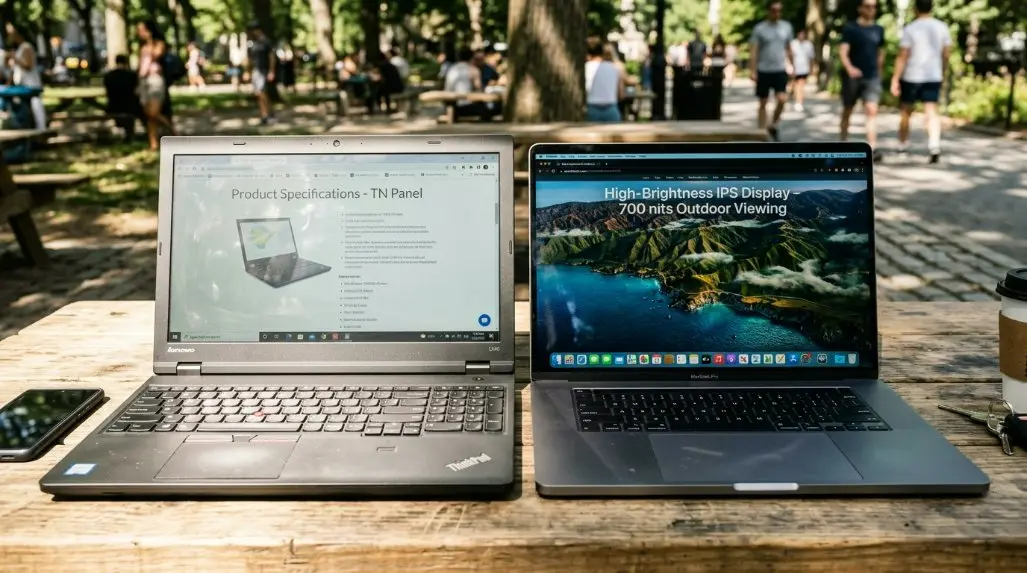
Choosing the right panel technology is critical for product success. The table below illustrates why the 2.4-inch IPS module from our liquid crystal displays lcd factory outperforms standard alternatives in demanding environments.
| Feature | Standard TN Display | liquid crystal displays lcd factory IPS |
|---|---|---|
| Resolution | 240x320 (QVGA) | 480x640 (VGA) |
| Brightness | 250-300 nits | 700 nits (Sunlight Readable) |
| Operating Temp | -10°C to 60°C | -30°C to 80°C |
| Viewing Angle | 60/60/60/60 | 80/80/80/80 (All O'Clock) |
| Interface | 8-bit Parallel | 16-bit RGB 40-Pin |
Comparing Voltage Options, 700 Nits Brightness Ratings, and Downloadable 3D CAD Models
For engineers seeking precise integration, our documentation includes comprehensive 3D CAD models and power profile maps. The 700-nit rating is achieved through high-efficiency LED strings, ensuring high visibility without compromising the thermal envelope of the device housing.
Practical Guide: 4-Step Direct Installation and Waterproof Resealing Tutorial for Custom LCD Panels
Integrating a 2.4 inch IPS display 480x640 requires precision to maintain IP-rated integrity and signal quality.
Step 1: Preparing the FPC Connection and Aligning Precise Cutting Tolerances
Ensure the 40-pin FPC connector is clean and aligned. We recommend a ZIF connector with a minimum retention force of 2N. Inspect the bezel aperture; the mechanical tolerance for the glass opening should be within ±0.05mm to prevent stress on the polarizer.
Step 2: Applying IP67/IP68 Waterproof Adhesives to the Display Bezel
Apply a continuous bead of high-viscosity structural adhesive (such as 3M 300LSE) around the perimeter of the LCD frame. This ensures an airtight seal against moisture ingress, essential for outdoor handheld devices.
Step 3: Integrating with OEM Technical Specifications and 3C Certification Standards
Configure the timing parameters within your firmware to match the liquid crystal displays lcd factory-Sync specifications. Ensure your PCB layout adheres to China 3C certification standards for electromagnetic compatibility (EMC).
Step 4: Final Validation Testing Using China GB Quality Codes
Perform a thermal cycle test and a vibration test in accordance with China GB/T 2423 standards. Validate that the brightness remains consistent at 700 nits across the entire operating temperature range.
Mathematical & Electrical Calculation Guidance: Safety Power Supply Load Formulas
Calculating the thermal and electrical load is vital for long-term reliability in high-brightness modes.
# Backlight Power Consumption Calculation (P)
P = V_f (Forward Voltage) x I_f (Forward Current)
For 6 LEDs in series-parallel:
P = 19.2V x 40mA = 0.768 Watts
# Recommended Safety Margin: 20%
Required Supply = P * 1.2 = 0.92W
Calculating Physical Wattage Loads and Precise Cutting Spacing Per Meter Safety Rules
When deploying multiple screens in a signage matrix, ensure the total wattage does not exceed 80% of the power supply's rated capacity to prevent thermal runaway in enclosed environments.
Frequently Asked Questions (FAQ): Voice Search & High-Authority Inquiries
How does this display ensure compatibility with Xiaomi Mijia, Tuya Smart, and Apple HomeKit ecosystems?
Our displays utilize standard 16-bit RGB interfaces and mature driver ICs (such as the ST7789V or similar), which are natively supported by common IoT microcontrollers used in Xiaomi and Tuya ecosystems. This ensures seamless plug-and-play capability for dashboard development.
What are the precise cutting spacing and bezel alignment tolerances for custom tooling?
For custom 2.4 inch IPS display tooling, we maintain a cutting tolerance of +/- 0.1mm for the glass and +/- 0.05mm for the active area centering, allowing for extremely tight industrial designs.
What are the essential safety instructions and power supply calculations for continuous high-brightness operation?
Always use a constant current driver for the backlight. If operating at 700 nits for 24/7 cycles, ensure adequate heat dissipation (heat sinks or thermal pads) to keep the junction temperature below 85°C.
Looking for Custom Engineering/OEM Solutions?
As a top-tier professional manufacturer, we deliver direct factory-price solutions for dynamic scaling, engineering projects, and custom systems globally.
Visit Official Website →Send Inquiry


X
We use cookies to offer you a better browsing experience, analyze site traffic and personalize content. By using this site, you agree to our use of cookies.
Privacy Policy