 English
 Español
 Português
 русский
 Français
 日本語
日本語 Deutsch
 tiếng Việt
 Italiano
 Nederlands
 ภาษาไทย
 Polski
 한국어
한국어 Svenska
 magyar
 Malay
Malay বাংলা ভাষার
 Dansk
Dansk Suomi
Suomi हिन्दी

what is liquid crystal in lcd display
What Is Liquid Crystal in an LCD Display?
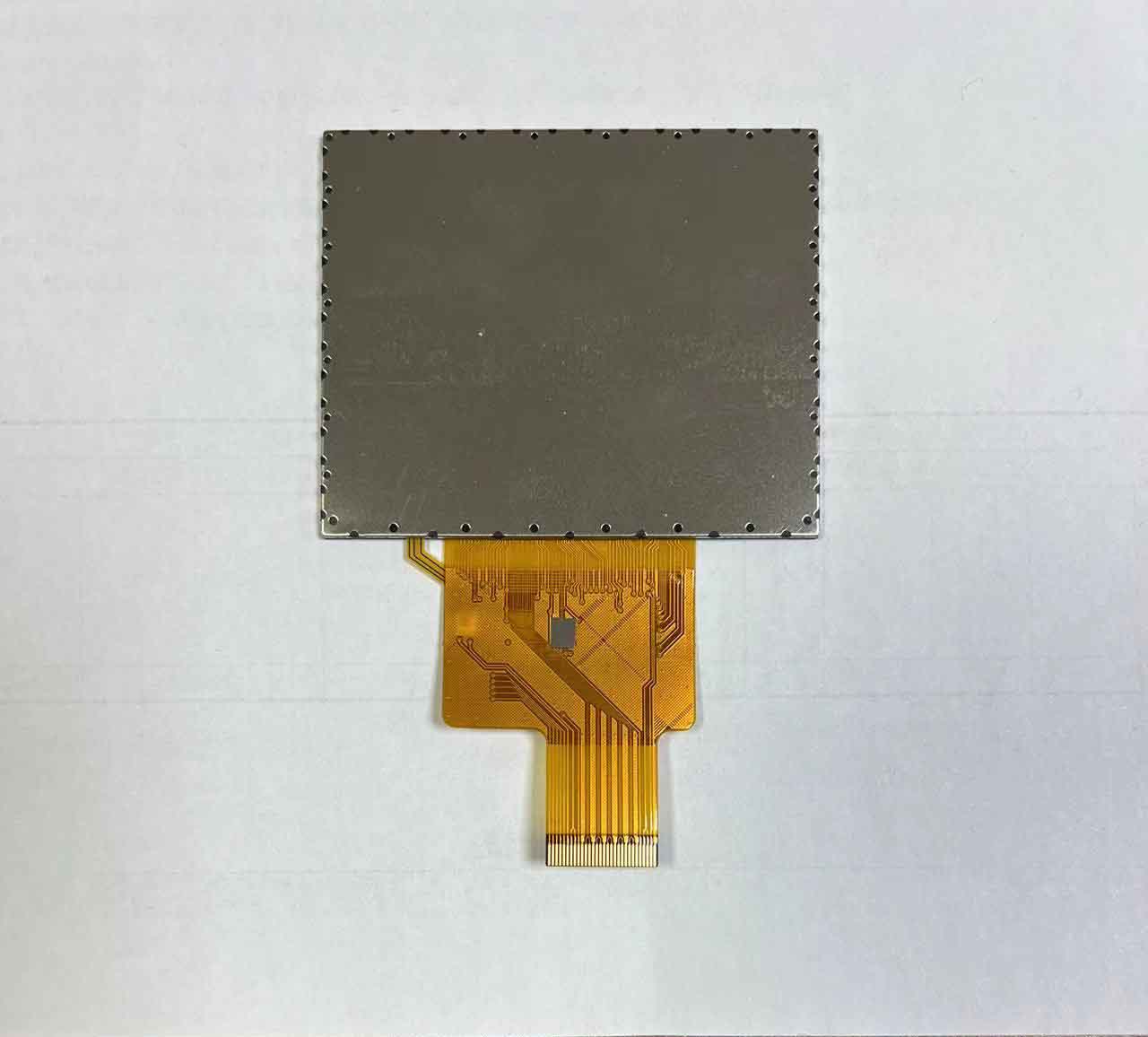
You’re reading this on a screen. Whether it’s a smartphone, a laptop, a TV, or a car dashboard, chances are it uses an LCD. But have you ever wondered what the “LC” in LCD actually stands for? It’s Liquid Crystal – a strange, fascinating material that doesn’t behave like a normal solid, liquid, or gas.
So, What Exactly Is a Liquid Crystal?
A liquid crystal is a state of matter that flows like a liquid but has molecules arranged in a structured way, like a crystal. Imagine a box of pens: if they’re all pointing in random directions, that’s a typical liquid. If they’re neatly lined up in rows, that’s a crystal. Liquid crystals are somewhere in between – they flow, yet their molecules can be aligned.
The magic happens when you apply electricity. An electric field can twist or untwist the orientation of these molecules. This changes how light passes through them. Without electricity, they let light through; with electricity, they block it – or vice versa, depending on the design.
How Does That Create an Image?
An LCD is not a glowing screen like an old CRT or an OLED. Instead, it works like a light valve. Here’s the simplified step‑by‑step:
Backlight – A white LED light source behind the screen shines forward.
Polarizers – Two polarizing filters are placed at 90‑degree angles to each other. Normally, that would block all light.
Liquid Crystal Layer – Sandwiched between the polarizers. The liquid crystals twist the light’s direction, allowing it to pass through the second polarizer.
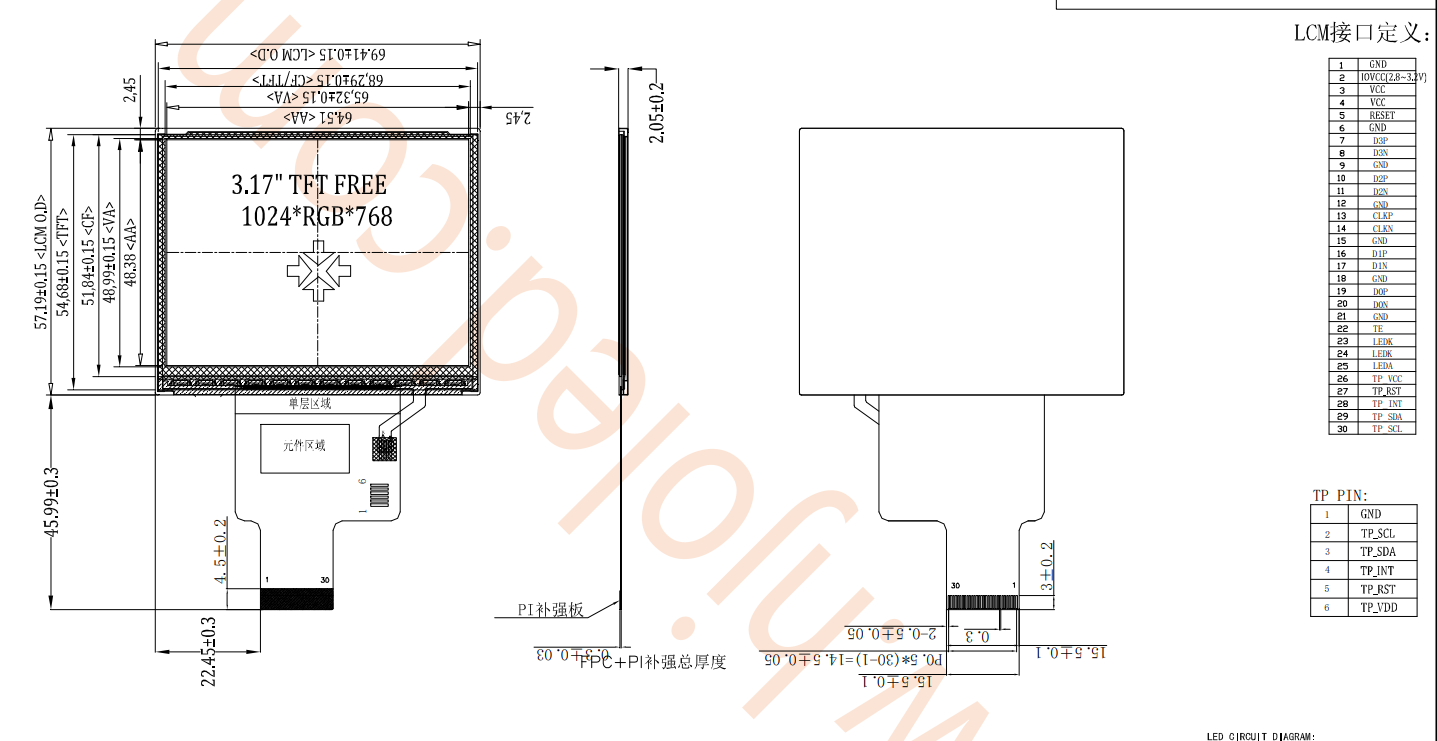
Thin‑Film Transistors (TFT) – Each pixel (or sub‑pixel – red, green, blue) has a tiny transistor that applies a voltage to a small area of the liquid crystal.
Color Filters – Red, green, and blue filters create full color.
When voltage is applied to a pixel, the liquid crystals untwist, blocking the light. That pixel becomes dark. By controlling the voltage precisely, the screen can let through varying amounts of light – creating shades of gray. Combine millions of such pixels with color filters, and you get sharp images, text, and video.
Real‑World Analogy
Think of liquid crystals as tiny blinds. When the blinds are open (no voltage), light passes through. When you close them (apply voltage), light is blocked. An LCD has millions of these microscopic blinds, each controlled independently, many times per second.
Why Liquid Crystals Are So Useful
Low power – Liquid crystals don’t generate light themselves; they just modulate it. Most power goes to the backlight.
Thin and light – LCDs can be made just a few millimeters thick.
Long life – No phosphor burn‑in, and liquid crystals don’t wear out quickly.
A Note for Reality
In a typical office monitor or TV, the liquid crystals themselves are not “liquid” to the touch – they are sealed between two glass plates. You’ll never see them. But without this unique material, your screen would just be a white glowing box.
The Bottom Line
Liquid crystals are the unsung heroes behind most flat‑panel displays. They are a rare state of matter that bridges the gap between fluid and crystal, giving us precise, low‑power control over light. Next time you look at a monitor, remember – it’s not magic, it’s liquid crystals doing their quiet, twisting job.
Want to learn more about display technologies or need LCD panels for your next project? [Contact us] for expert guidance.
Send Inquiry


X
We use cookies to offer you a better browsing experience, analyze site traffic and personalize content. By using this site, you agree to our use of cookies.
Privacy Policy