 English
 Español
 Português
 русский
 Français
 日本語
 Deutsch
 tiếng Việt
 Italiano
 Nederlands
 ภาษาไทย
 Polski
 한국어
 Svenska
 magyar
 Malay
 বাংলা ভাষার
 Dansk
 Suomi
 हिन्दी


The Ingenious Role of Anti-Static Protective Films for LCD Screens
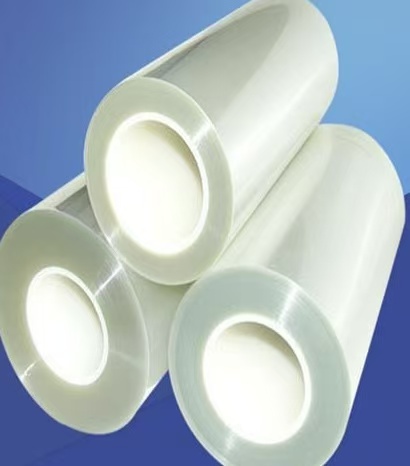
LCD screens are typically covered with a transparent protective film during factory shipment. These films come in two varieties: standard and anti-static. In dry autumn and winter seasons, removing a standard protective film often generates a significant amount of static electricity, which can lead to screen malfunctions or display anomalies. To safeguard the screen, anti-static protective films are used. When applied to LCD or OLED screens, these films serve a purpose far beyond simple scratch resistance; their primary value lies in protecting the internal components of the screen from electrostatic damage. Mr. Liu, an engineer at Shenzhen Hongjia Technology, outlines 3 key advantages of anti-static protective films:
1. Core Function: Blocking the "Invisible Killer"—Static Electricity
The driver ICs inside an LCD screen and the micron-scale circuits on the glass substrate are extremely fragile. Electrostatic discharge (ESD) can generate voltages reaching thousands of volts in an instant; anti-static protective films effectively block this threat.
Protection During Production and Transport: During processes such as module assembly or the application of polarizing films, anti-static films dissipate static electricity generated by friction, thereby preventing damage to the screen.
Protection During Daily Use: In dry environments, friction between a user’s fingers and the screen can easily generate static electricity. Anti-static films feature controlled surface resistance, which prevents the accumulation of static charges (thereby reducing dust attraction) and ensures that static electricity does not interfere with touch sensitivity.
2. Process Compatibility: Achieving a "Perfect Fit"
Bubble-Free Application: The anti-static layer reduces the adhesive force between the protective film and the screen, minimizing the risk of dust being attracted by static electricity during application. This effectively prevents the formation of air bubbles and issues with residual adhesive.
Smooth Removal: Removing a standard protective film can sometimes cause the polarizing film to peel away due to static attraction, or leave behind "static spots." In contrast, anti-static films can be removed smoothly, helping to maintain a high product yield rate. 3. Specialized Environments: Cleanrooms and Medical Equipment
In semiconductor-grade cleanroom environments, anti-static films prevent screens from acting like "dust magnets," thereby helping to maintain a dust-free setting. In applications such as medical monitoring equipment, these films also mitigate interference caused by static electricity, which could otherwise disrupt sensitive precision sensors.
3. Added Value: Extending Screen Lifespan
Dust attracted by static electricity can cause wear and tear on screen coatings. By reducing dust accumulation, anti-static films indirectly extend the service life of both the oleophobic (oil-repellent) coating and the display layer itself.
An anti-static protective film acts as an "invisible armor" for LCD screens—shielding them not only from physical scratches but also from the hidden threat of electrostatic discharge (ESD). Such films are an indispensable component in the production and operation of high-end displays. Shenzhen Hongjia Technology is dedicated to ensuring the long-term, safe, and stable performance of displays in our clients' equipment. By utilizing high-quality anti-static protective films and other reliable safety strategies, we serve numerous Fortune Global 500 companies worldwide and have earned high praise from a broad range of clients. We offer a diverse selection of displays—ranging from 1.14 inches to 12.1 inches—along with compatible touchscreens, available in various sizes and interface configurations. Please feel free to contact us via email for inquiries.
Send Inquiry


X
We use cookies to offer you a better browsing experience, analyze site traffic and personalize content. By using this site, you agree to our use of cookies.
Privacy Policy