 English
 Español
 Português
 русский
 Français
 日本語
日本語 Deutsch
 tiếng Việt
 Italiano
 Nederlands
 ภาษาไทย
 Polski
 한국어
한국어 Svenska
 magyar
 Malay
Malay বাংলা ভাষার
 Dansk
Dansk Suomi
Suomi हिन्दी
Industry News
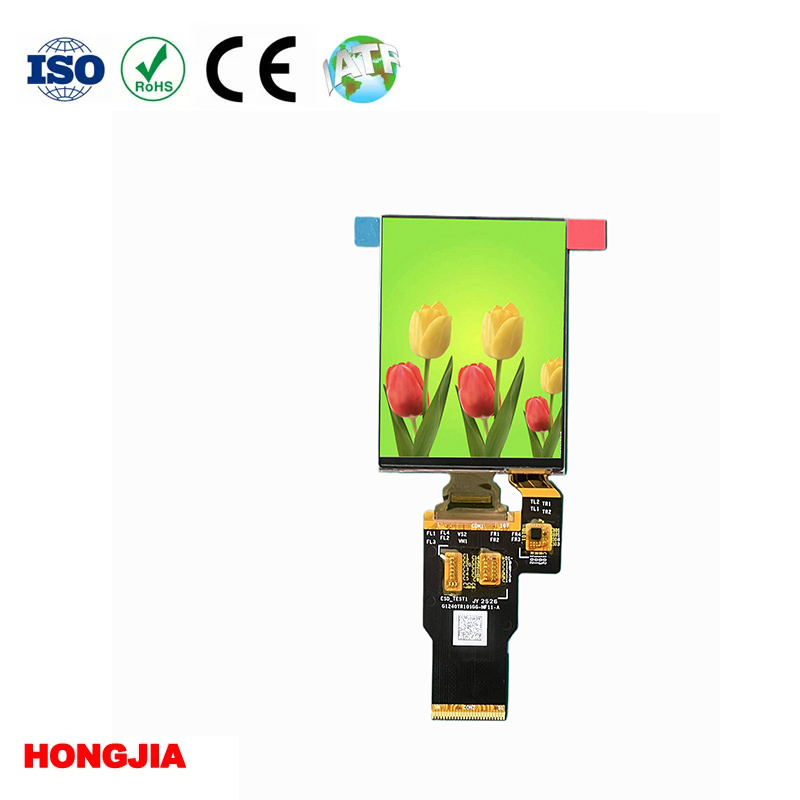
Differences Between 2.4-inch AMOLED and TFT Displays Regarding Power Consumption, Brightness, and Color Gamut
Many clients frequently ask about the differences between 2.4-inch AMOLED screens and 2.4-inch TFT screens. Today, the engineering team at Shenzhen Hongjia Technology will outline the distinctions between the two. The fundamental difference between AMOLED and TFT (typically referring to TFT-LCD) lie......
View Details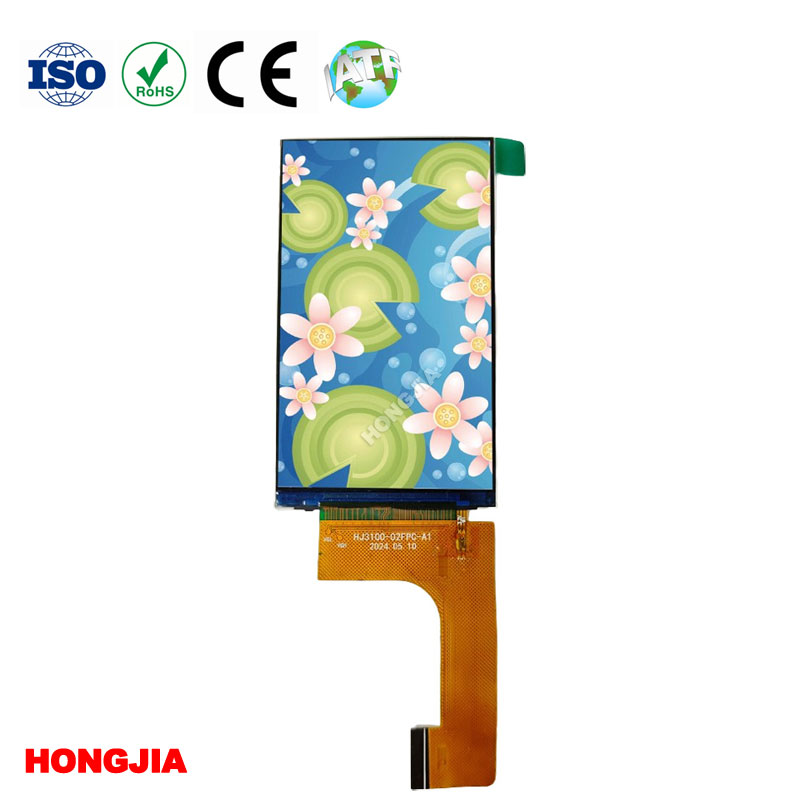
What is a 3.1 inch TFT LCD RGB Interface and Why Is It Critical for Embedded Display Design?
The 3.1 inch TFT LCD with RGB interface is widely used in embedded systems, industrial control panels, medical devices, handheld instruments, and consumer electronics. This article provides a deep technical and practical understanding of how this display works, why RGB interface matters, how it int......
View Details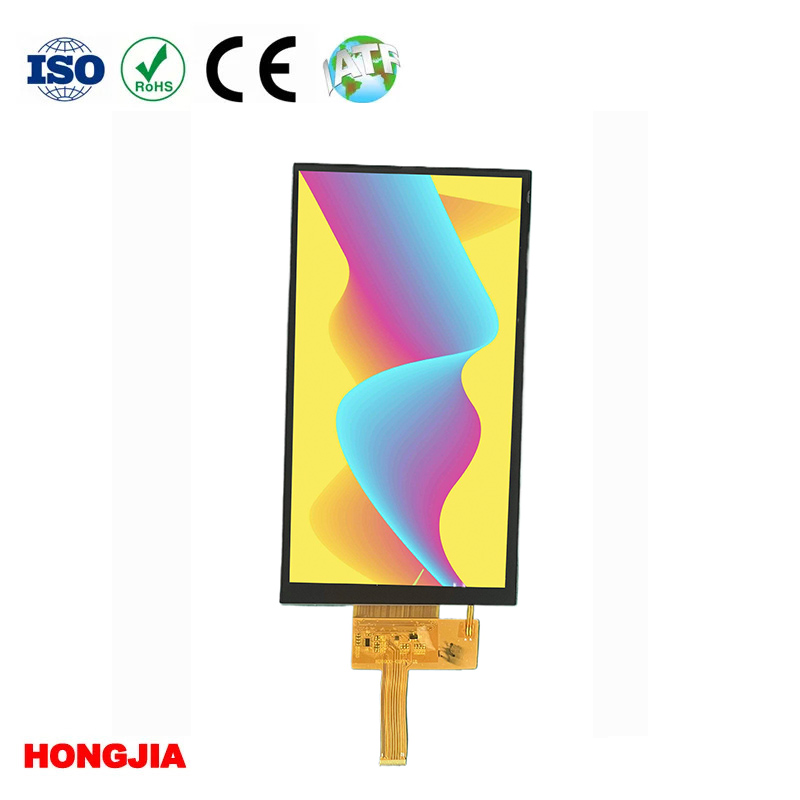
6.9-inch IPS In-Cell Touchscreen Display for Dual-86 Thermostats 720x1440 Resolution
With the rapid advancement of smart home technology, customer expectations for smart "86-box" thermostats have reached new heights. Addressing common pain points—such as the limited information displayed on single 86-box screens, their small display areas, and a lack of fluid user experience—Shenz......
View Details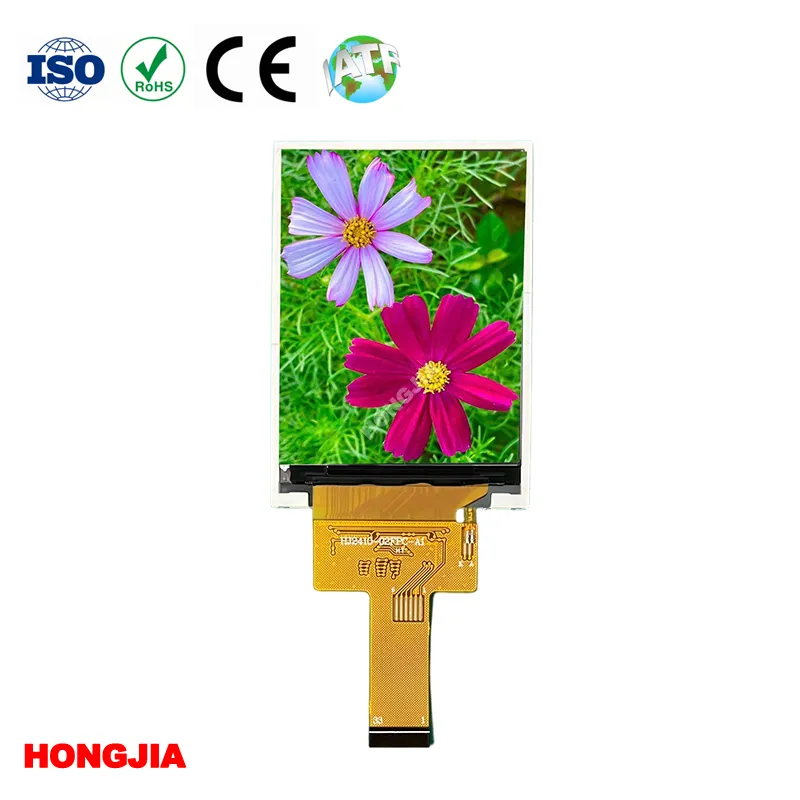
What Constitutes a "Top-Tier" Design for a 2.4-inch IPS Display?
HJ2410-02. This model boasts a resolution of 480x640, a contrast ratio of 1200:1, and supports 16 million true colors, delivering sharp, high-definition visuals. With a brightness range of 600 to 1000 nits, it supports both RGB and MIPI interfaces and utilizes either the ST7701S or JD9161C driver IC......
View Details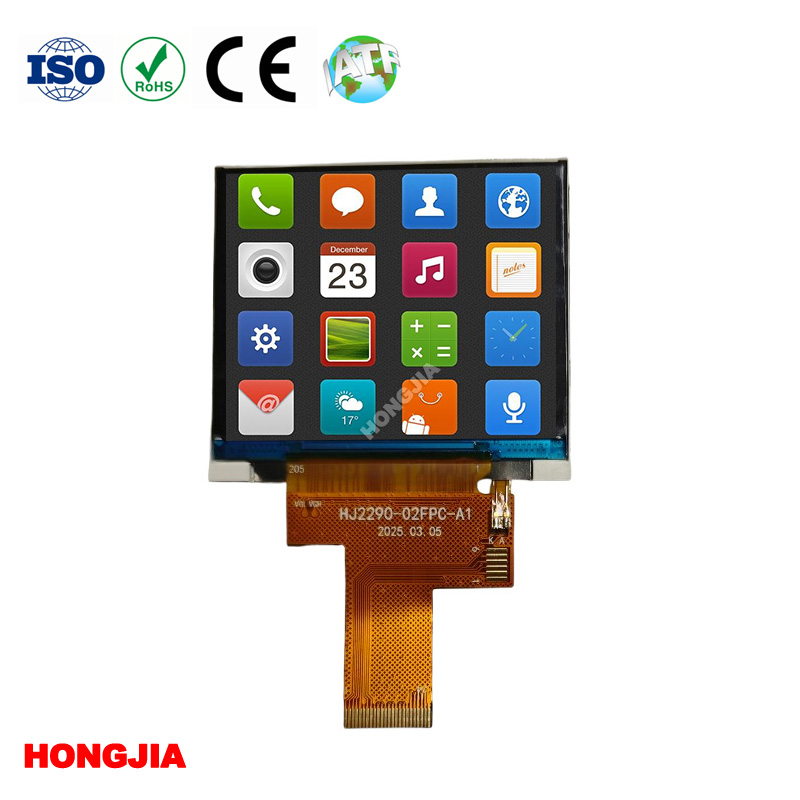
What Makes 2.3inch 480x360 Interface MIPI Displays Ideal for Modern Embedded Devices?
In today’s rapidly evolving embedded systems landscape, display modules are no longer just visual outputs—they are central to user interaction, product identity, and overall performance. Among compact display solutions, the 2.3inch 480x360 Interface MIPI display has emerged as a highly efficient and......
View Details
Capacitive Touchscreens: Which is Better—G+G or GFF?
A common question customers encounter when designing capacitive touchscreens is this: which is ultimately more reliable and durable—G+G or GFF? Simply put, G+G and GFF represent two different material structures within the realm of capacitive touchscreens. Generally, G+G outperforms GFF in terms of......
View Details

X
We use cookies to offer you a better browsing experience, analyze site traffic and personalize content. By using this site, you agree to our use of cookies.
Privacy Policy